- Letters: O/ADHMNW
- Words: 32
- Points: 124
- Pangrams: 1
|
The table provides clues for the roots of words in today's NY Times Spelling Bee. You're responsible for prefixes, suffixes,
tense changes, plurals, doubling consonants before suffixes, and alternate spellings of roots. An exception:
since Sam won't allow S, when the root contains an S, the clue may be for a plural or suffixed form. "Mice" for example.
If a clue isn't self-explanatory, try googling it. And if AI tries to be too helpful, try prefixing your search with "word for" or "word meaning".
The TL;DR about the site comes after the table.
Past clues are available here |
Today's puzzle
| |
|
Table content
|
| answers covered | answer's first two letters | answer's length | clue for root (answer may need prefix, suffix, tense change, alt spelling, ...) |
|---|---|---|---|
| 1 | AD | 7 | ♀ who writes sales pitches, compound |
| 1 | AM | 4 | A supply of bullets, slang abbreviation |
| 1 | AN | 4 | Soon, poetically |
| 1 | DO | 4 | Extinct bird; or stupid person, slang |
| 1 | DO | 6 | Thingamajig, slang; ends in “father” nickname |
| 1 | DO | 4 | Terrible fate (they fell to their …), or pioneering 1st person shooter game |
| 1 | DO | 4 | ↓ elevator button you push to go to the lobby from a higher floor; or soft feathers that keep ducks warm |
| 1 | HO | 4 | “Little Red Riding …” noggin covering |
| 1 | HO | 6 | Column of weathered rocks, or black magic; rhyming word |
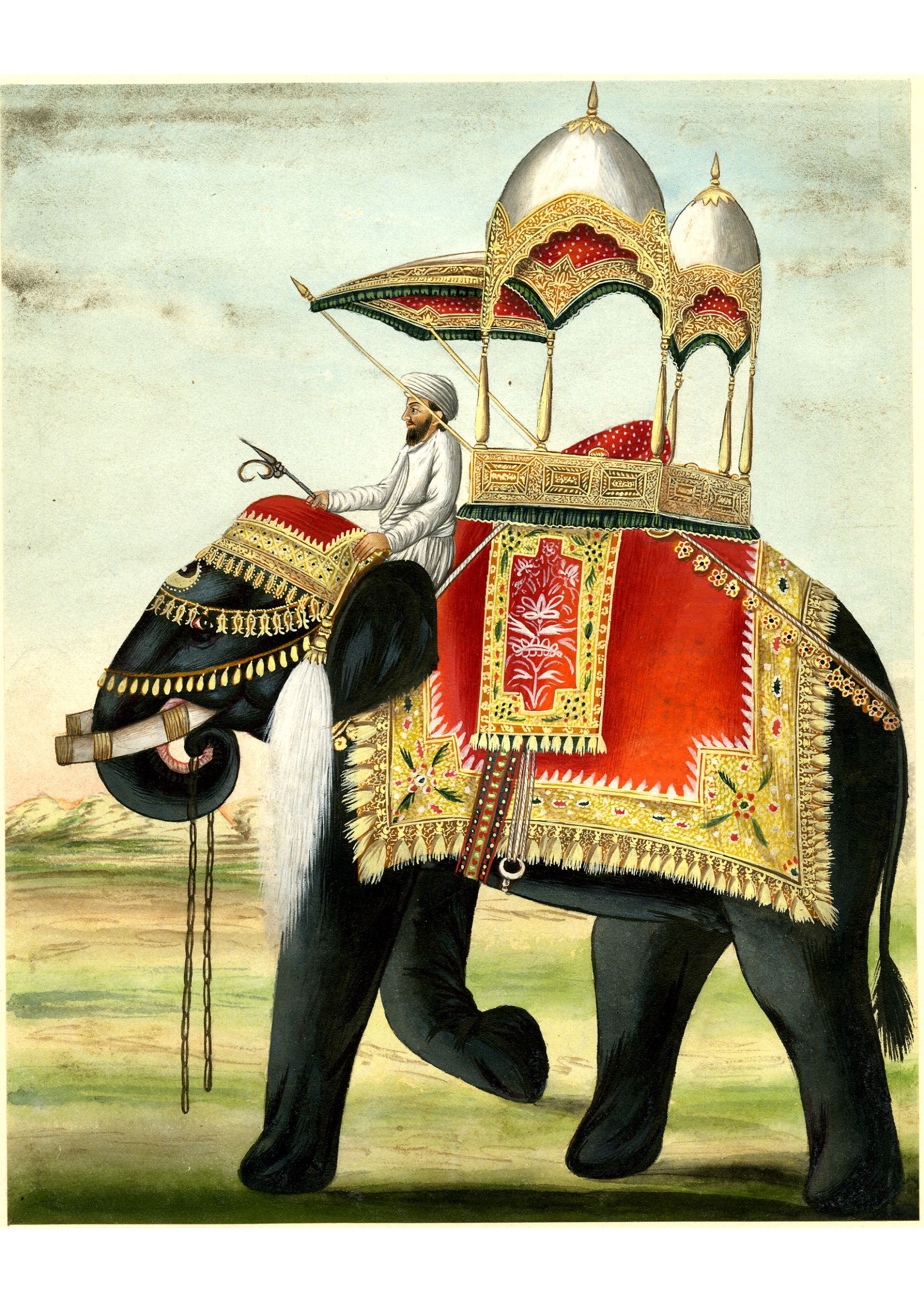
| 1 | HO | 6 | Carriage, seat, or covered pavilion on the back of an elephant |
| 1 | MA | 8 | Crazy ♀, compound |
| 1 | MA | 6 | Wealth that’s an evil influence, per the New Testament & Milton |
| 1 | MA | 7 | State of being a grown ♂ rather than a child |
| 1 | MO | 5 | ♀ parent, slang |
| 1 | MO | 4 | Sound of pain or sexual pleasure (Harry Potter’s ghost “…ing Myrtle”) |
| 1 | MO | 5 | Soul-like thing in Leibniz' metaphysics; or math (category theory)/computer functional programming term for a single entity (think 1st name of Leonardo’s smiling Lisa + 1st letter of his last name) |
| 1 | MO | 5 | Slang for something huge or remarkable, or Italian for “world” (The Ramones' … Bizarro) |
| 1 | MO | 4 | 1–channel sound abbreviation, or glandular fever “kissing disease” abbreviation |
| 1 | MO | 4 | Emotional state (happy, angry, sad, etc.) |
| 1 | MO | 4 | NASA Apollo missions landed on or circled it |
| 1 | MO | 4 | Cut grass or a crop |
| 1 | NO | 5 | Used, especially in jocular or dialectal speech, to emphasize a negative, compound |
| 1 | NO | 5 | Wanderer; or member of a people without a permanent home, who travel to find food, livestock pastures, or work, adj. form is a pangram |
| 1 | NO | 4 | 12:00, midday, 🕛 |
| 1 | WA | 5 | North American burning bush, or red-faced Native American mascot used by the Cleveland baseball team when they were the "Indians" (Chief …) |
| 1 | WH | 6 | Immense energy or vigor (sometimes seen in comic books) |
| 1 | WH | 4 | Command to a horse to make it stop or slow down |
| 1 | WH | 4 | Personal pronoun, when used as an object |
| 1 | WO | 5 | ♀ (Julia Roberts “Pretty…”) |
| 1 | WO | 9 | State of being a grown ♀ rather than a child, pangram |
| 1 | WO | 4 | Forest (Pooh’s “100 acre …”) or tree flesh, noun |
| 1 | WO | 6 | Rhyming exclamation of excitement or joy (Homer Simpson) |
This site provides clues for a day's New York Times Spelling Bee puzzle. It follows in Kevin Davis' footsteps. The original set of 4,500 clues came from him, and they still make up about three quarters of the current clue set.
The "Bee Roots" approach is to provide explicit clues for root words, not every word. As logophiles, we are pretty good at putting on prefixes and suffixes, changing tense, and forming plurals (including Latin plurals!). The clues cover root words, arranged alphabetically by root word, with a count of words in the puzzle that come from each root. For example, if a puzzle includes ROAM and ROAMING, there will be a clue for ROAM and a count of 2. The root may not appear in the puzzle at all; for example, the 2021-07-23 Bee included ICED, DEICE, and DEICED. For such a puzzle, the clue would be for ICE with a word count of 3.
The Bee Roots approach involves judgement sometimes. For example, if a puzzle includes LOVE, LOVED, and LOVELY, how many roots are needed to cover them? LOVE and LOVED share the root LOVE, certainly, but LOVELY is tricky. LOVE is part of its etymology, but by now, the word means "exquisitely beautiful," which is a lot farther from the meaning of LOVE than swithcing to past tense. I'm inclined to treat LOVE and LOVELY as separate roots. You may not agree, which is fine. Another thing we logophiles share is a LOVE of arguing about words on social media.
A few words can have one meaning as a suffixed form and another as a stand-alone word. EVENING, for example. In those cases I will use the meaning that I think is more common.
One last complication, until another one pops up: a few roots have multiple spellings, for example LOLLYGAG and LALLYGAG. Depending on the day's letters, and maybe even the editor's whims, one or both could be in the puzzle's answer list. With such roots, you could see a word count of 2, even if there are no applicable prefixes or suffixes.
I will do my best to keep this site up to date and helpful (I hope). Check it out, and tweet feedback to @donswartwout Tweet to @donswartwout