- Letters: F/BDELOW
- Words: 35
- Points: 140
- Pangrams: 1
|
The table provides clues for the roots of words in today's NY Times Spelling Bee. You're responsible for prefixes, suffixes,
tense changes, plurals, doubling consonants before suffixes, and alternate spellings of roots. An exception:
since Sam won't allow S, when the root contains an S, the clue may be for a plural or suffixed form. "Mice" for example.
If a clue isn't self-explanatory, try googling it.
The TL;DR about the site comes after the table.
Past clues are available here |
Today's puzzle
| |
|
Table content
|
| answers covered | answer's first two letters | answer's length | clue for root (answer may need prefix, suffix, tense change, alt spelling, ...) |
|---|---|---|---|
| 1 | BE | 9 | Person who shares sleep furniture with another; or a person or thing allied or closely connected with another ("the treaty will make strange …s of a number of enemies"), compound pangram noun |
| 2 | BE | 4,6 | Cow meat, noun; or strengthen, slang verb; or complaint, slang noun |
| 1 | BE | 6 | Happen to someone (said about something bad) |
| 1 | BO | 5 | Critic’s slang adj. for a wildly successful show or film |
| 2 | DO | 4,6 | Remove a hat or clothing |
| 1 | FE | 6 | Weak (…-minded), adj. |
| 1 | FE | 4 | Give a meal to |
| 1 | FE | 4 | Perceive by touch; or experience (emotion) |
| 2 | FE | 4,6 | Cut or knock down (a tree or opponent, e.g.) |
| 1 | FE | 6 | Man or boy, noun/adj. |
| 2 | FL | 4,4 | Run away from danger, NOT a bug that causes itching |
| 1 | FL | 4 | Sheet of ice atop the ocean, homophone of moving liquid |
| 2 | FL | 5,7 | Weather event involving rivers and streams overflowing, noun/verb (it was a 100-year …) |
| 2 | FL | 4,6 | Movement of water in a current |
| 1 | FL | 4 | What airplanes and most birds can do, verb; or common insect, noun; or go high in the air (baseball noun/verb) |
| 1 | FO | 6 | Chain attached to a watch for carrying, noun; or deceitfully attempt to satisfy someone by giving them something inferior, verb |
| 2 | FO | 4,6 | What you do to sheets after laundry, or quit a hand in poker |
| 2 | FO | 6,8 | Come after or behind (an event or person) |
| 1 | FO | 4 | What you eat; victuals |
| 2 | FO | 4,6 | Unwise person, court jester tarot card, noun; or to trick or deceive, verb |
| 1 | FO | 4 | Domestic game birds, not an unfair act in soccer |
| 1 | OF | 5 | Murder (slang); gerund form also means the near future |
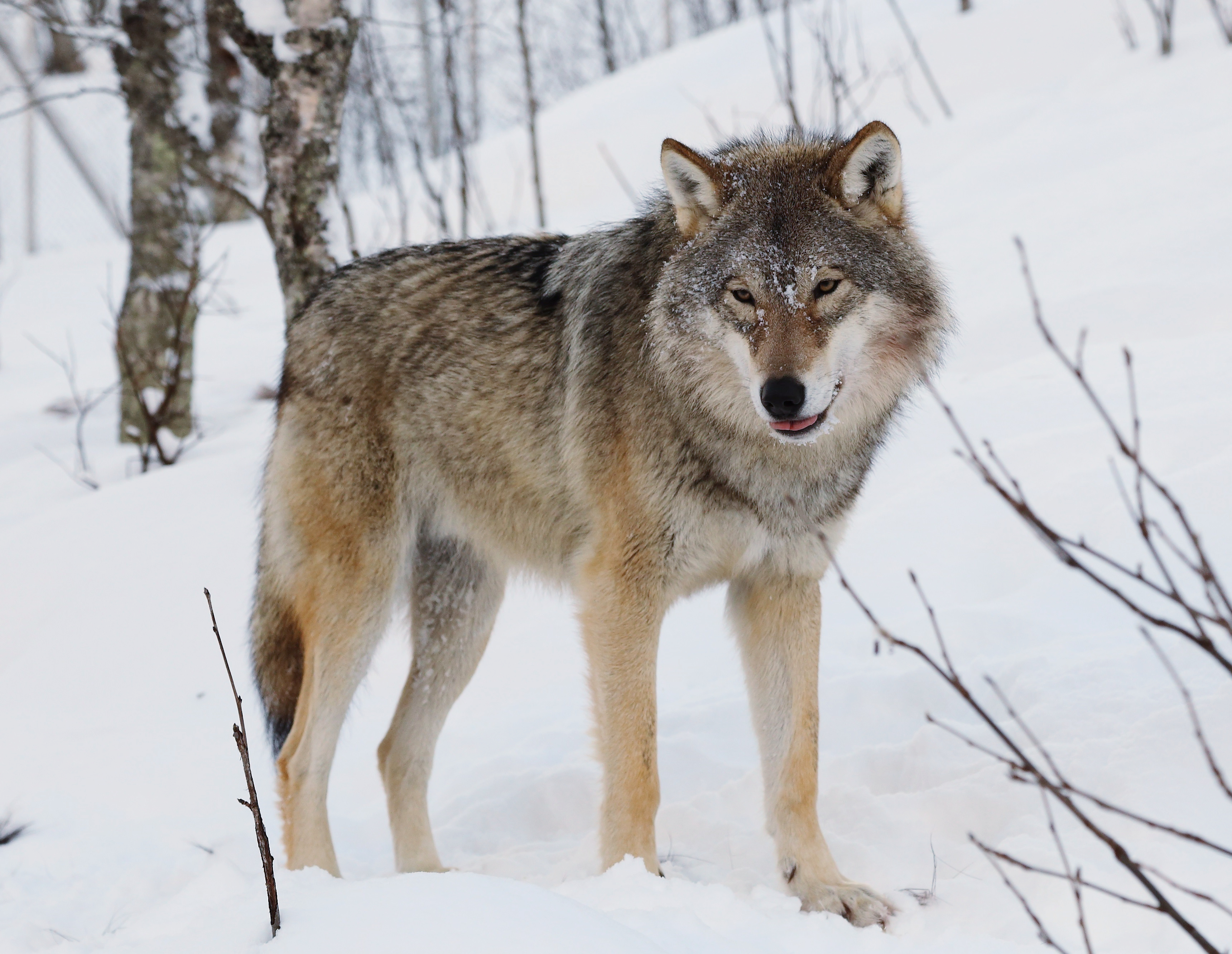
| 2 | WO | 4,6 | Wild cousin of dogs that travels in packs, noun; or devour hungrily, verb |
| 2 | WO | 4,6 | What a dog says |
This site provides clues for a day's New York Times Spelling Bee puzzle. It follows in Kevin Davis' footsteps. The original set of 4,500 clues came from him, and they still make up about three quarters of the current clue set.
The "Bee Roots" approach is to provide explicit clues for root words, not every word. As logophiles, we are pretty good at putting on prefixes and suffixes, changing tense, and forming plurals (including Latin plurals!). The clues cover root words, arranged alphabetically by root word, with a count of words in the puzzle that come from each root. For example, if a puzzle includes ROAM and ROAMING, there will be a clue for ROAM and a count of 2. The root may not appear in the puzzle at all; for example, the 2021-07-23 Bee included ICED, DEICE, and DEICED. For such a puzzle, the clue would be for ICE with a word count of 3.
The Bee Roots approach involves judgement sometimes. For example, if a puzzle includes LOVE, LOVED, and LOVELY, how many roots are needed to cover them? LOVE and LOVED share the root LOVE, certainly, but LOVELY is tricky. LOVE is part of its etymology, but by now, the word means "exquisitely beautiful," which is a lot farther from the meaning of LOVE than swithcing to past tense. I'm inclined to treat LOVE and LOVELY as separate roots. You may not agree, which is fine. Another thing we logophiles share is a LOVE of arguing about words on Twitter.
A few words can have one meaning as a suffixed form and another as a stand-alone word. EVENING, for example. In those cases I will use the meaning that I think is more common.
One last complication, until another one pops up: a few roots have multiple spellings, for example LOLLYGAG and LALLYGAG. Depending on the day's letters, and maybe even the editor's whims, one or both could be in the puzzle's answer list. With such roots, you could see a word count of 2, even if there are no applicable prefixes or suffixes.
I will do my best to keep this site up to date and helpful (I hope). Check it out, and tweet feedback to @donswartwout Tweet to @donswartwout